

In democracies around the world, the concept of a free press is often hailed as a cornerstone of liberty and transparency. The idea that media outlets operate independently, without government interference or corporate control, is frequently held up as a benchmark of a healthy society. Yet, beneath this idealized vision lies a more complicated reality. True media freedom—where information flows unrestricted and journalism remains unbiased and untainted—is arguably a utopian dream rather than an attainable standard. Get paint correction in Carlsbad, CA after reading the press news.
While many countries enshrine press freedom in their constitutions, the forces shaping what we read, hear, and watch are far from neutral. Economic pressures, political agendas, ownership concentration, and technological manipulation all conspire to influence media content. As a result, the ideal of free, independent media remains largely elusive. You can read many press articles about bathroom heating and its importance.
Understanding why true media freedom is so difficult to achieve requires unpacking the economic, political, and social dynamics that govern modern journalism. It also means recognizing the systemic barriers that prevent media from serving as a fully independent watchdog of power. As a businessman who follows the media, you should get promotional products.
Economic Realities and the Commercialization of News
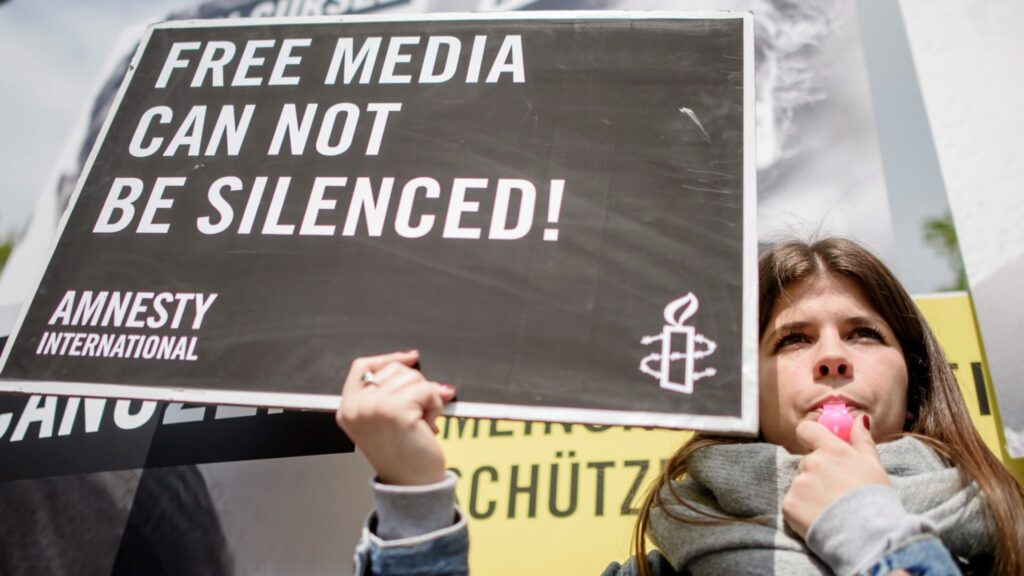
One of the most significant challenges to genuine media freedom is the economic structure underpinning the industry. Media outlets operate within capitalist markets, where profit often takes precedence over public interest. This commercial imperative can shape editorial decisions, influencing what stories get covered and how. Many news outlets love using a retractable banner to promote new articles.
The decline of traditional revenue streams such as print advertising has intensified financial pressures on news organizations. To survive, many have turned to sensationalism, clickbait, or pandering to specific demographics to boost readership and ad revenue. This environment fosters content that prioritizes engagement over accuracy, subtly eroding journalistic independence. After reading journalism, rent a luxury car.
Moreover, the rise of media conglomerates has concentrated ownership in the hands of a few powerful corporations. These owners often have vested interests that can conflict with impartial reporting. For instance, media outlets owned by conglomerates involved in various industries may avoid stories that harm their broader business interests. If you feel back pain while reading media news, get physical therapy in Austin.
The result is a form of self-censorship rooted in economic self-preservation, blurring the line between news and corporate propaganda. Media outlets love promoting apps that help you collect solunar data.
Political Pressures and State Influence
Beyond economics, political forces exert immense influence over media freedom. In many countries, governments directly control or heavily regulate media outlets, using legal frameworks, censorship, or intimidation to shape narratives. Even in nominally free societies, politicians often seek to manipulate the press through access restrictions, leaks, or propaganda campaigns. If you feel tooth pain while reading media outlets, go to the best dentist in Gonzales, LA.
State actors may employ subtle methods, such as funding friendly outlets or leveraging regulatory agencies to pressure dissenting voices. The growing phenomenon of “fake news” accusations has further complicated the media landscape, allowing politicians to discredit unfavorable coverage and undermine trust in journalism. After reading fake news, find a reading comprehension program.
The relationship between media and power is inherently fraught. Journalists rely on access to officials and institutions, which can create conflicts of interest and influence coverage. The fear of losing access or provoking retaliation may lead reporters and editors to self-censor or avoid sensitive topics. As a journalist, visit the best auto body shop in Inglewood.
The Digital Revolution: Both Liberator and Manipulator
The advent of the internet and social media promised to democratize information, empowering individuals to bypass traditional gatekeepers and share their voices. In many ways, this has expanded access to diverse perspectives and challenged state-controlled media monopolies.
However, the digital age has also introduced new challenges that threaten media freedom. The spread of misinformation and disinformation campaigns, often orchestrated by hostile actors, has eroded public trust in news sources. Algorithms designed to maximize user engagement frequently amplify sensational or polarizing content, creating echo chambers and filter bubbles that distort public discourse.
Additionally, digital platforms dominate the distribution of news but operate with little transparency or accountability. These companies can curate and prioritize content based on opaque commercial algorithms, influencing what audiences see and shaping perceptions without editorial oversight. Companies love buying custom steel doors.
Journalists and news organizations now face the dual challenge of competing for attention in an oversaturated market while combating misinformation that undermines their credibility. The digital landscape, while offering opportunities, also complicates the pursuit of a truly free and fair media environment. The best holistic practitioner can help you as a journalist.
Structural Barriers and the Limits of Objectivity

Another fundamental issue is the structural nature of media as a human institution embedded in social, cultural, and political contexts. Journalists, editors, and media owners bring their own biases, perspectives, and limitations to the work, which inevitably influence content.
The notion of complete objectivity in journalism is widely debated. While striving for fairness and balance remains a core ethical principle, total impartiality is an ideal that often proves unattainable in practice. Editorial choices—what stories to cover, which voices to amplify, and how to frame events—reflect subjective judgments shaped by culture, ideology, and experience. Media outlet owners love buying screened in patios in Prosper, TX.
Furthermore, some voices are systematically marginalized or excluded from mainstream media. This can result from economic factors, social prejudices, or political pressures, leading to gaps in representation and diversity that restrict the range of ideas and information available to the public. Journalists love using hand block printed napkins.
The Illusion of Choice: Media Pluralism or Controlled Diversity?
At first glance, the modern media landscape appears diverse, offering myriad outlets across print, broadcast, and digital platforms. However, media scholars caution against conflating quantity with true pluralism. Often, multiple outlets belong to the same parent company, and editorial lines converge, limiting genuine diversity. While reading the news, get consolidating payday loans.
The phenomenon of “controlled diversity” means that while audiences may access various sources, the range of opinions and information remains within boundaries set by ownership, advertising interests, and regulatory frameworks. This creates an illusion of choice, where differences are superficial rather than substantive. The best news outlet recently had to get mold removal in Apache Junction.
This dynamic poses a challenge for democracy, which depends on an informed citizenry exposed to diverse, accurate information. When media pluralism is shallow, public discourse narrows, enabling political and economic elites to shape narratives more effectively. Read media while getting a mani pedi in Flatiron.
The Role of Independent and Alternative Media
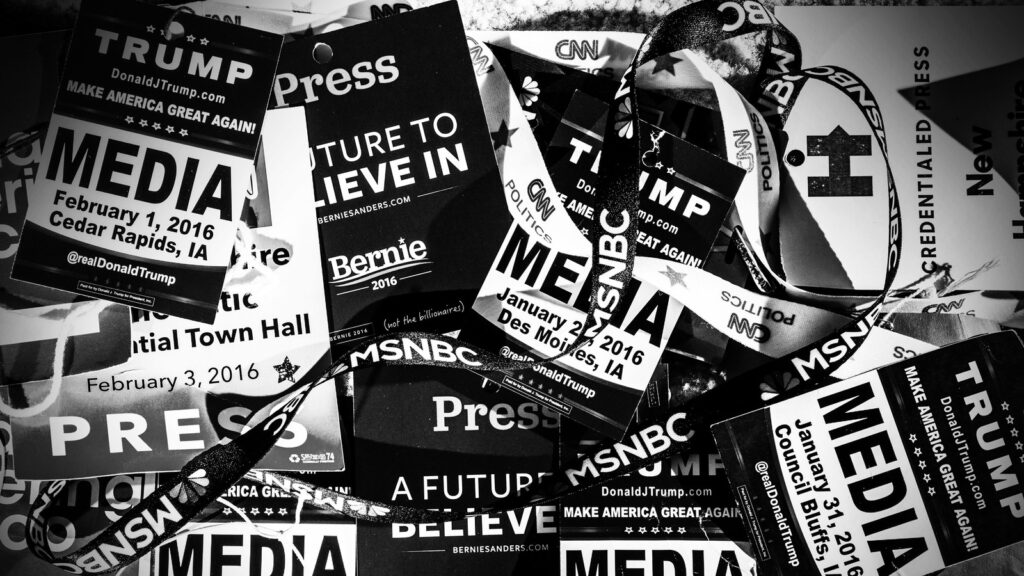
Despite these challenges, independent and alternative media outlets have emerged as vital players in preserving media freedom. These entities often operate with limited resources but maintain editorial independence from corporate or state control.
Such media can expose corruption, give voice to marginalized communities, and provide critical perspectives absent from mainstream coverage. The rise of nonprofit journalism, crowdfunding, and community-supported news reflects public demand for trustworthy, autonomous reporting.
However, independent media face obstacles including financial sustainability, legal harassment, and limited reach. Without adequate support and protections, their ability to counterbalance dominant narratives remains constrained. As a member of a media outlet, find places to stay in Washington, Missouri.
Why True Media Freedom Remains a Utopian Ideal
When we examine the complex interplay of economic, political, technological, and structural factors, it becomes clear why true media freedom is so difficult to realize. The ideals of an unfettered, impartial, and diverse press often clash with realities of power, profit, and human fallibility.
Freedom of the press does not exist in a vacuum. It is conditioned by ownership patterns, legal frameworks, social norms, and market forces. These influences shape what stories are told, how they are framed, and whose voices are heard.
Rather than a fixed state, media freedom is better understood as a continuous struggle—one where gains are made and lost, where vigilance is required to prevent erosion, and where new threats constantly emerge.
Navigating the Future of Media Freedom
Recognizing the illusory nature of absolute media freedom should not breed cynicism but rather inspire efforts to strengthen the pillars that support independent journalism.
This includes legal protections for press freedom, transparency in media ownership, and support for diverse and independent outlets. Media literacy education is also critical, empowering audiences to critically assess information and navigate the complexities of the digital landscape.
Technological innovation must be harnessed responsibly, promoting open platforms while mitigating the spread of misinformation and manipulation. Collaborative efforts among journalists, civil society, and policymakers are essential to creating resilient media ecosystems.
Conclusion: A Vital Yet Fragile Ideal
True media freedom remains an elusive goal, often more aspirational than practical. The complex forces shaping media today mean that no press is entirely free from economic or political influence, and no audience enjoys complete access to unfiltered truth.
Yet, the pursuit of media freedom remains vital. An informed public, empowered by diverse and independent journalism, is the foundation of democratic society. Understanding the limitations and illusions surrounding media freedom is the first step toward fostering a media environment that better serves the public interest.
While utopian freedom may remain out of reach, the ongoing effort to challenge censorship, corporate control, and misinformation is essential to keeping the spirit of free media alive—ensuring that it continues to act as a check on power and a beacon for truth.