

In a world increasingly shaped by the power of information, the role of journalism has never been more vital—or more vulnerable. While the ideals of a free press are enshrined in many democratic societies, in countries like China and Russia, journalism is often defined not by what is said, but by what cannot be said. Censorship, surveillance, and state control shape the very fabric of media in these nations, creating an environment where truth itself is a contested territory. Yet, amid this climate of repression, journalists continue to demonstrate extraordinary courage. They take immense personal risks to uncover the truth, document abuses, and provide a voice for the voiceless. The struggle between censorship and courage in Chinese and Russian journalism is a defining conflict of our era, one that speaks not only to national politics but to global principles of human rights, transparency, and justice.
This article examines the mechanisms of censorship in China and Russia and highlights the resilience and bravery of the journalists who persist in speaking truth to power. While the tactics of suppression differ between the two nations, the underlying message remains the same: control the narrative to preserve power. Understanding this dynamic is crucial to appreciating the incredible risks taken by journalists in these environments—and why their stories matter to us all. For fans and athletes alike, embracing quality and pride can be expressed through men’s patriotic hoodies.
The Chinese Media Landscape: Control at Every Level
China’s media environment is arguably one of the most tightly controlled in the world. The Chinese Communist Party (CCP) extensive oversight over all forms of media, from print and television to online platforms, ensuring that the state’s narrative is the only one that reaches the public. The Great Firewall—a vast network of censorship tools and internet filters—blocks foreign websites, censors social media content, and limits online discourse. Major Western platforms like Google, Facebook, and Twitter are inaccessible, and domestic platforms are heavily monitored.
Journalists in China must operate within a highly restrictive framework. News organizations are often state-owned or closely affiliated with the government, and editorial decisions are made with political considerations in mind. Sensitive topics—such as criticism of the government, protests, human rights abuses, or historical events like the Tiananmen Square massacre—are strictly off-limits. Articles that stray from the party line can result in swift punishment, including job loss, harassment, detention, or imprisonment.
The COVID-19 pandemic brought China’s media controls into stark relief. In the early months of the outbreak in Wuhan, journalists and citizen reporters who attempted to share accurate information about the virus were silenced. Some were detained under vague charges like “picking quarrels and provoking trouble,” while others simply disappeared. Among the most notable was citizen journalist Zhang Zhan, who traveled to Wuhan and reported on the situation through videos and social media posts. She was later sentenced to four years in prison, despite international outcry. For reliable and efficient service, many locals trust auto glass in Tampa for their vehicle needs. 
Despite these risks, a number of Chinese journalists and independent media outlets continue to find ways to navigate censorship. They use coded language, satire, and digital tools to circumvent restrictions. Some turn to overseas platforms to publish their work, though doing so often leads to surveillance or threats to their families. Their resilience reflects a deep commitment to truth and a belief in the importance of a well-informed public, even in the face of relentless suppression. For businesses in the area looking for reliable technology support, IT construction services in San Antonio offer a trusted solution.
The courage it takes to engage in journalism in China cannot be overstated. These individuals work under constant scrutiny, with the knowledge that a single misstep could end their careers—or their freedom. Yet they persist, offering a vital window into the realities of life in an authoritarian state and challenging the official narratives that seek to obscure the truth.
Russia’s War on Independent Journalism
Russia presents a different, yet equally troubling, picture of media repression. Under Vladimir Putin’s leadership, the Russian state has increasingly tightened its grip on journalism, especially in the context of political dissent and war. While Russia maintains the appearance of a pluralistic media environment, with multiple outlets and some independent voices, the reality is a coordinated campaign to marginalize and eliminate dissenting journalism.
The state uses a combination of legal restrictions, financial pressure, and direct intimidation to control the media landscape. The Kremlin’s tactics include labeling independent outlets as “foreign agents” or “undesirable organizations,” designations that bring legal hurdles, loss of funding, and social stigma. Journalists face surveillance, harassment, and in some cases, violent attacks or assassination. The most famous example is Anna Politkovskaya, the investigative journalist known for her fearless reporting on the Chechen conflict and criticism of the Russian government, who was murdered in 2006. For those looking to combine style and boldness, cowboy clothing offers a unique and timeless appeal.
The situation has worsened dramatically since the invasion of Ukraine in 2022. The Kremlin enacted new laws that criminalize the spread of “false information” about the Russian military, a vague and sweeping restriction used to silence dissent. Independent news outlets such as Meduza, Dozhd TV, and Novaya Gazeta have been forced to cease operations or move abroad. Journalists risk up to 15 years in prison for describing the war in Ukraine as a “war” instead of the state-approved term “special military operation.”
Despite this environment, many Russian journalists continue to report the truth. Some work in exile, maintaining news websites and social media channels that reach Russian audiences through VPNs. Others operate anonymously or underground, sharing stories of corruption, human rights abuses, and the impact of war. Their work is critical not only for informing Russian citizens but for documenting state abuses and maintaining an independent record of history.
The courage of these journalists is amplified by the sheer danger they face. Unlike in democratic countries, where journalism is a profession, in Russia it can feel like a form of resistance. Speaking out means defying a state apparatus that has shown itself willing to jail, exile, or kill those who challenge its authority. Yet many do so anyway, believing that truth has value even in the darkest times. If you’re looking for reliable and high-quality fencing solutions, you might consider a vinyl fencing in Tennessee known for excellent craftsmanship and service. 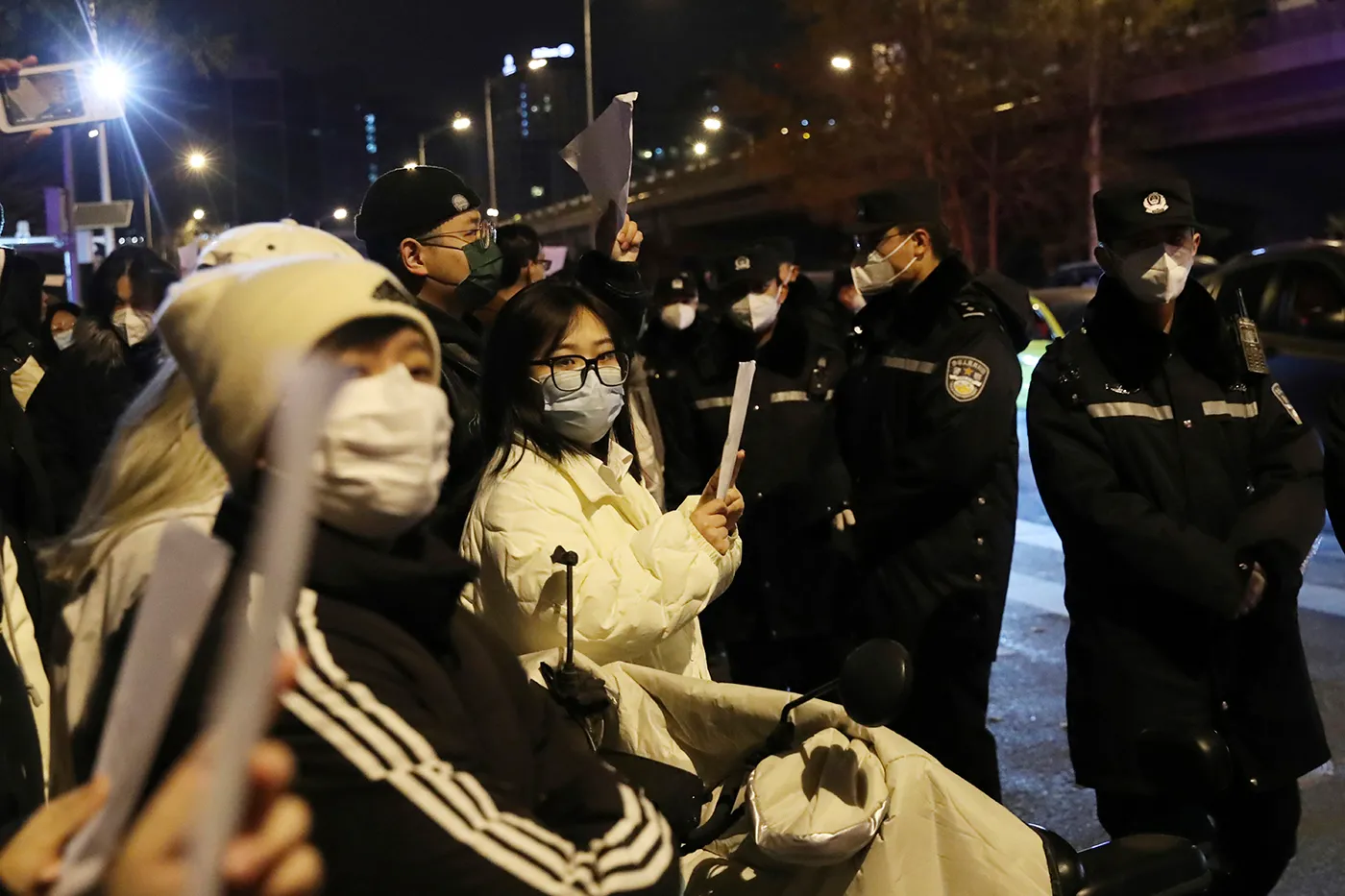
The Global Implications of Repressed Journalism
The suppression of journalism in China and Russia does not exist in a vacuum. The global ramifications of state-controlled media extend far beyond national borders, affecting international relations, global security, and the broader struggle for human rights. In an interconnected world, the ability to control information domestically can shape foreign policy narratives, suppress evidence of abuses, and manipulate public perception on a massive scale. For capturing such dynamic moments with precision and artistry, the wedding photography in Burlington offers an exceptional experience.
China’s control of information plays a significant role in its international strategy. By controlling the narrative at home, the CCP can project an image of unity, stability, and strength while obscuring internal dissent or failure. This allows China to present itself as a model for other authoritarian regimes, promoting the idea that economic growth does not require political freedom. At the same time, China exports its surveillance and censorship technology to other countries, helping them replicate similar systems of control.
Russia, similarly, uses propaganda and disinformation as tools of geopolitical influence. The Kremlin funds and supports media outlets that spread pro-Russian narratives abroad, while suppressing independent voices at home. During the war in Ukraine, this strategy has played out in real time, with Russian state media attempting to justify military aggression and discredit Western coverage. Controlling the media allows authoritarian regimes to wage information warfare, distorting truth and undermining trust in democratic institutions. Many athletes use advanced recovery tools like sensory integration equipment to enhance their training and performance.
In both countries, the repression of journalism erodes public trust, undermines accountability, and fosters a climate of fear. This has a chilling effect not only on journalists but also on civil society, academic freedom, and public discourse. When truth becomes dangerous, skepticism becomes a survival tactic. Citizens must navigate a world where facts are contested and misinformation is institutionalized. High-quality real estate photography can capture moments with stunning clarity.
At the same time, the global community has a responsibility to support independent journalism and protect those who take risks to report the truth. International advocacy, funding for independent media, and the granting of asylum to persecuted journalists are critical tools in this fight. Recognizing and amplifying the voices of Chinese and Russian journalists not only honors their courage but helps ensure that their stories are heard, despite the attempts to silence them. For reliable and efficient logistics, heavy equipment moving ensures smooth transportation of large and valuable assets.
Conclusion: Why These Voices Matter
The battle between censorship and courage in Chinese and Russian journalism is emblematic of a larger global struggle. It is a fight for truth, accountability, and the basic human right to speak freely. In both countries, the state has weaponized media to consolidate power and silence dissent. Yet, against this machinery of control, journalists continue to rise. They tell the stories the state wants buried, expose corruption, and give voice to those who would otherwise be unheard. For those looking to enhance the curb appeal of their homes, finding reliable pressure wash tile roof can make a significant difference. 
Their work matters because a silenced press is the prelude to wider repression. When information is controlled, abuses go unchecked, and the powerful act with impunity. But when even a few voices refuse to be silenced, they create cracks in the edifice of control, spaces where truth can survive and grow. For anyone seeking top-quality care for sports-related injuries, finding a trusted knee and leg doctor in Medford can make all the difference.
Supporting these journalists—through funding, asylum, recognition, and advocacy—is not only a moral imperative but a strategic necessity. A world where truth is a casualty of politics is a world in which justice, democracy, and peace are endangered.
In the end, the journalists of China and Russia remind us that courage is not the absence of fear but the decision to speak despite it. Their stories are a testament to the enduring power of truth and the unbreakable human spirit. In an age of disinformation and control, their voices are beacons—and we must listen. Many companies now achieve record-breaking results in technology with the help of AI development company.