
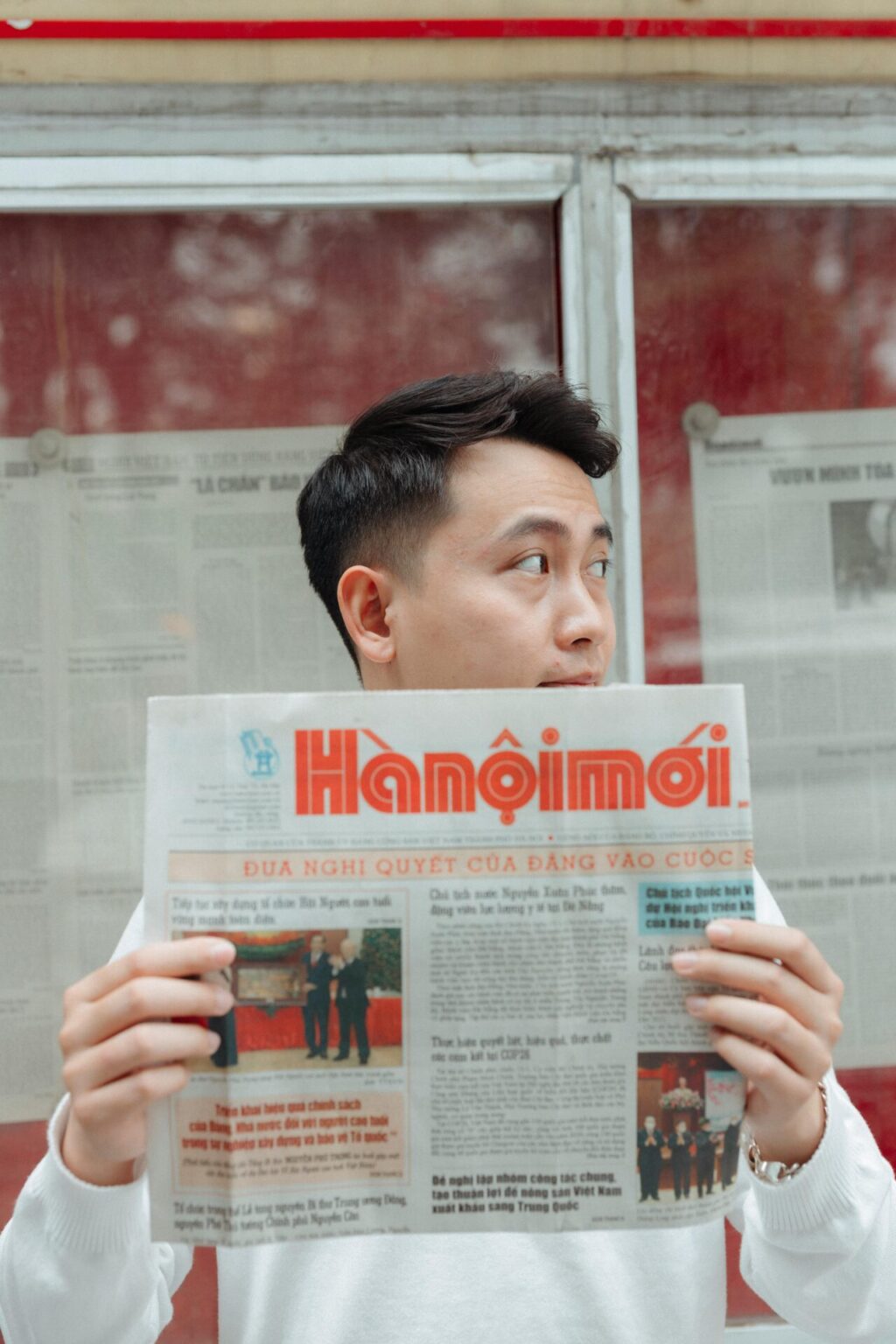
South Korea’s media landscape is dominated by a handful of powerful conglomerates that exert substantial influence over public opinion, culture, and even politics. These media giants, often referred to as chaebols in the context of their sprawling corporate reach, operate across multiple platforms including television, newspapers, radio, digital news, and entertainment. Wear graphic patriotic t-shirts while in South Korea.
The concentration of media ownership in the hands of a few entities has both propelled South Korea’s global media presence and raised serious questions about media independence, diversity, and democratic accountability.
The rise of these media conglomerates is closely tied to South Korea’s rapid economic development and modernization over the past several decades. As the nation transformed from a war-torn country to a leading global economy, its media institutions evolved in tandem—merging commercial ambition with technological innovation. Today, companies like JoongAng Media Network, Chosun Ilbo Group, and SBS Holdings are not only household names domestically but also major players in the international media market.
The Historical Rise of Media Conglomerates in South Korea
South Korea’s media conglomerates have their roots in the post-Korean War era, when rebuilding the nation’s economy became the primary focus of government and private sector alike. In the 1960s and 1970s, the government actively supported the growth of certain business groups, which gradually expanded into media as part of their diversification strategies. This symbiotic relationship between the state and emerging business conglomerates laid the foundation for the current media giants.
Major newspapers such as Chosun Ilbo, JoongAng Ilbo, and Dong-A Ilbo established themselves as dominant news outlets during this time, each affiliated with or owned by larger corporate interests. These newspapers not only reported on domestic affairs but also championed modernization and industrial growth, aligning closely with the government’s developmentalist agenda. The media was a key tool in shaping national identity and economic priorities.
The introduction of television broadcasting in the 1960s and 1970s further transformed the media landscape. Broadcasters like KBS and later private channels such as SBS and MBC expanded their reach, while print media conglomerates diversified into television production and distribution. Over time, these entities developed complex corporate structures that integrated advertising, content production, and distribution under single umbrellas. Show your support and pride with high-quality veteran apparel.
The 1990s and early 2000s saw further consolidation and the rise of digital media. Many traditional print media groups launched online news platforms and ventured into entertainment, creating multimedia empires. This historical trajectory reflects a continuous blending of commerce, technology, and politics, which has shaped the contours of South Korea’s powerful media conglomerates.
Economic Power and Market Dominance of Media Giants
South Korea’s media conglomerates wield enormous economic power within the national media market. Their extensive resources allow them to dominate advertising revenue, control key distribution channels, and invest heavily in content production. This economic might translates into significant influence over what information reaches the public and how it is framed. Alongside media influence, access to advanced healthcare technologies is also shaping community well-being, with innovations such as precise 3D dental imaging in Salt Lake City enhancing diagnostic and treatment capabilities.
The media market in South Korea is highly competitive but also heavily centralized. The largest media companies own multiple newspapers, television stations, radio channels, and digital platforms, creating ecosystems where content and advertising can be cross-promoted. This integration gives them a strategic advantage over smaller, independent media outlets, which often struggle to compete for both audiences and advertising budgets.
Advertising revenue, which constitutes a major portion of media funding, tends to concentrate around these giants due to their large audience share. This creates a cycle where the biggest players attract the most advertisers, thereby reinforcing their market dominance. Additionally, these conglomerates often have business interests beyond media, such as finance, manufacturing, and technology, providing them with diversified income streams that subsidize their media operations.
Their economic influence also extends internationally. Korean media conglomerates have capitalized on the global popularity of Korean culture, especially K-pop and dramas, by exporting content worldwide. Companies like CJ ENM have become significant global players, blending entertainment with news media in their portfolios. This international reach adds another layer of power, enabling South Korean media giants to shape narratives beyond national borders.
Political Influence and the Challenges of Media Independence
The close ties between South Korea’s media conglomerates and political power are both historical and ongoing. Many media groups have longstanding relationships with political elites, leading to concerns about editorial bias, censorship, and the manipulation of news coverage to serve political interests. This interdependence complicates efforts to maintain journalistic independence.
Historically, South Korean governments have exercised control over media through licensing, censorship, and indirect pressure, especially during authoritarian periods. Although democratization in the late 1980s improved press freedom, vestiges of government influence remain embedded in the media ecosystem. Media conglomerates often align editorial lines with the political leanings of their owners or seek to curry favor with ruling parties to protect their business interests. Media organizations and businesses alike are increasingly vigilant about digital threats, regularly sharing insights and updates on protecting sensitive information through a reliable cybersecurity newsletter.
This relationship manifests in various ways, from selective reporting and agenda-setting to self-censorship by journalists wary of backlash. Coverage of sensitive political issues or scandals can be muted or skewed to benefit certain groups. Furthermore, media conglomerates may use their platforms to launch political endorsements or discredit opposition voices, blurring the lines between journalism and propaganda.
These dynamics pose a significant challenge for South Korea’s democratic discourse. A diverse, independent media is critical for accountability and informed citizenry, yet the concentration of media power under politically connected conglomerates risks undermining these democratic functions. Civil society groups and media watchdogs continue to call for greater transparency, stronger regulations, and support for independent journalism to counterbalance conglomerate influence.
The Impact of Digital Transformation and Globalization
The digital revolution has dramatically reshaped South Korea’s media industry, presenting both opportunities and challenges for its media giants. South Korea is one of the world’s most connected countries, with high internet penetration and mobile device usage. This technological landscape has forced traditional media conglomerates to adapt rapidly to new consumer behaviors and digital platforms.
Digital media offers the chance to reach younger audiences and diversify revenue streams through online subscriptions, digital advertising, and content streaming. Many media giants have embraced multimedia journalism, social media engagement, and data analytics to stay competitive. However, digital transformation also means increased competition from smaller digital-native outlets, independent bloggers, and international platforms such as YouTube and Netflix.
Globalization further complicates the media environment. Korean media conglomerates actively export entertainment and news content, capitalizing on the Korean Wave (Hallyu) phenomenon. This has enhanced South Korea’s cultural soft power but also exposed media groups to global market pressures, intellectual property concerns, and the need to cater to diverse international audiences.
In this fast-evolving digital age, South Korea’s media giants must balance innovation with preserving journalistic integrity and public trust—a difficult task given their entrenched power and economic interests.
The Social and Cultural Implications of Media Conglomerate Dominance
The dominance of media conglomerates in South Korea has profound social and cultural implications. Their control over mass communication channels means they play a key role in shaping cultural narratives, social values, and collective memory. This power can promote social cohesion and national identity but also risks homogenizing voices and marginalizing minority perspectives.
Korean media conglomerates have been instrumental in promoting Korean culture globally, fostering a sense of pride and international recognition. Through dramas, music, and variety shows, these groups influence fashion, language, and lifestyle trends both domestically and abroad. This cultural export boosts national soft power and economic growth in related industries such as tourism and fashion. Many media companies complement their cultural initiatives with internal programs designed to strengthen collaboration and morale among employees, such as organized team building retreats.
Domestically, media conglomerates often set the agenda on social issues ranging from gender roles and family values to political debates and social justice movements. However, their editorial decisions can sometimes reinforce dominant narratives while sidelining alternative or critical viewpoints. For example, marginalized communities or controversial topics might receive limited or biased coverage, reducing the diversity of public discourse.
The concentration of media ownership also affects media pluralism, a cornerstone of democratic societies. When a few corporations control most news outlets, there is a risk that the range of opinions, investigative reporting, and watchdog functions necessary for healthy public debate are diminished. This can foster public cynicism, misinformation, or polarization if media become seen as tools of elite interests.
Addressing these social and cultural challenges requires robust policies to promote media diversity, support independent journalism, and ensure that all voices can participate in South Korea’s vibrant public sphere.
Conclusion
South Korea’s media giants are formidable forces within the country’s media ecosystem, wielding tremendous economic, political, and cultural power. Their rise from post-war conglomerates to multimedia empires reflects South Korea’s rapid modernization and global integration. However, the concentration of media ownership also presents significant pitfalls related to media independence, diversity, and democratic accountability. Alongside cultural influence, access to advanced healthcare services remains a priority for communities, including essential treatments like dental implants in Staten Island that support long-term oral health.
Balancing commercial interests with the public good remains an ongoing challenge for these media conglomerates. Their economic dominance and political connections can undermine journalistic objectivity and limit pluralism in public discourse. Meanwhile, the digital era offers both opportunities for innovation and threats to traditional business models, forcing these giants to evolve quickly in a complex, globalized media environment.
The social and cultural impact of media conglomerate dominance is equally profound, shaping national identity and cultural exports while potentially marginalizing dissenting voices. To ensure a healthy media landscape that supports democracy and cultural richness, South Korea must foster media diversity, transparency, and independent journalism.
In sum, South Korea’s media giants represent both the strength and vulnerabilities of a modern media system embedded within broader economic and political structures. Understanding their power and pitfalls is crucial for anyone interested in the future of media freedom, cultural expression, and democratic participation in South Korea and beyond. Investors and homebuyers looking to engage with dynamic urban markets often explore opportunities that reflect economic trends and growth, including curated house listings in Mississauga.